Our collaboration with Northern Powergrid helps drive the urban Community DSO smart energy initiative
CC’s Cloud Energy platform is being deployed by Northern Powergrid for their Community DSO project. Project leaders expect the trials to demonstrate how by working together, communities can help lower their peak energy consumption and bills through intelligent coordination of low carbon technologies (LCTs) such as heat pumps, EV chargers, batteries and solar panels. In doing so the community will lower peak demand on the grid, demonstrating how the UK can help meet net zero targets while minimising expensive infrastructure investment.
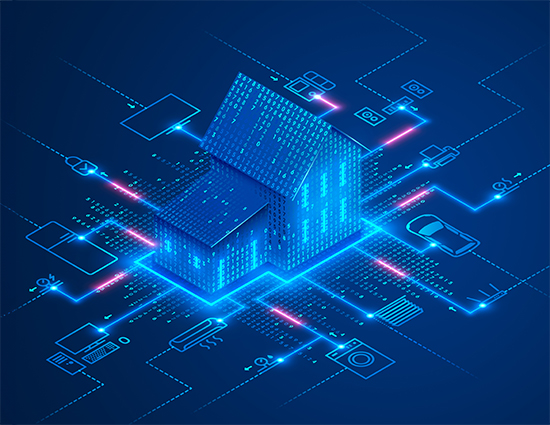
I first introduced you to Cloud Energy last autumn. It’s a proprietary CC technology platform which I described as the ‘Bluetooth’ of smart energy systems. Our objective with Cloud Energy is to overcome the interoperability challenges associated with the different LCTs supplied by a multitude of different manufacturers and coordinate the operation of these assets with management of the low voltage network. In doing so we bring together the previously separate worlds of domestic LCTs and grid network operations in an automated manner.
This will not only improve overall local grid stability, but also have the potential to lower overall local energy demands, resulting in potential cost savings for the users involved.
Local decarbonisation and carbon savings
This UK industry-first innovation demonstrator project will develop and trial a future framework for community distribution operation and empower local communities to have greater control over their energy and assets. The aim is to strengthen local energy independence and incentives for local decarbonisation and carbon savings.
This flagship innovation project is being delivered by Northern Powergrid in partnership with LCP Delta and TNEI and is funded through the network innovation competition of Ofgem, the energy regulator for Great Britain. It is laying the foundation for communities to adopt the community-led DSO approach easily, and at scale.

CC is implementing Cloud Energy within the active Urban trial to connect smart devices and low carbon technologies to reduce the pressure on the electricity grid and build a fairer, more flexible energy system. The current trial is running to September this year as part of a collaboration involving several key partners, including the Centre for Energy Equality, Pure Leapfrog, Energy Friends and SYMCA. It is active across locations in Sheffield and County Durham.
Smart clean energy solutions
The objectives chime with our commitment here at CC to propel innovation that improves access to smart energy solutions for lower income households and those living in underserved geographical areas. We’ve worked with Landis+Gyr, for example, on a suite of industrial products designed to bring the benefits of smart metering to 750,000 hard-to-reach homes. More broadly, our teams of experts are helping to shape the narrative of energy grid transformation – such as this example from my colleague Gavin Doyle discussing the emerging operational challenges faced by DNOs.
I’m thankful to Jane Watson, innovation community engagement lead at Northern Powergrid, for her insights into the project. Here’s what she has to say: “The goal is to create a simple, sustainable, flexible hyperlocal energy ecosystem where energy use and production are balanced locally to enhance local energy resilience, reduce carbon emissions, strengthen community independence and give domestic and small to medium enterprise customers more control over their energy future.
Community DSO model
“Success will be if a new community energy transactional model emerges irrespective of which DSO communities sit in or across, demonstrating scenarios when collective consumption can consistently flatten peak loads without customers losing out compared to their existing and future fluctuating market arrangements.”
“Greater success will be if customer premises from any era or building stock type aren’t excluded because of difficulties installing certain low carbon technologies. The main benefactors aren’t only housing associations and distributed energy resource (DER) providers and smart meter access doesn’t remain a blocker. We want everyone included, domestic and enterprise, including English heritage properties, the digitally disadvantaged and aged. Following trials, there should be an immense knowledge base to disseminate to stimulate the UK community energy movement.”
I’ll be keeping you updated as the project develops, so do stay tuned for news – or explore the project in more detail here. And do of course reach out to me if you’d like to discuss any aspects of energy flexibility and the innovation routes to meet Clean Power 2030 goals. It’ll be great to hear from you.
Expert authors

Niall Mottram
Niall leads business development in our Energy and Industrial group, focusing on identifying new opportunities for ambitious companies through the leverage of emerging technologies and implementation of new business processes.