「顧客第一」という考え方はよく知られていますが、テクノロジー主導で競争優位性を競うコンシューマーイノベーションの最前線においても、これは依然として重要な指針です。ケンブリッジコンサルタンツでは、市場動向を後追いするのではなく、その一歩先を見据えたプロアクティブなアプローチをとっています。すなわち、市場のパターンが顕在化する前にイノベーションを仕掛けることで、クライアントに先行者優位をもたらします。その鍵となるのが、進化し続ける消費者ニーズを的確に捉え、その重要性を先読みすることです。
年明けにラスベガスで開催されたCESでは、この「顧客第一」の考え方がイベント全体を通じて色濃く表れていました。パーソナライゼーションと消費者の嗜好が重要なテーマとして取り上げられており、これまで実体に乏しかった過度な期待が、用途に応じた具体的なユースケースへと転換しつつある流れが感じられました。AI、ロボティクス、オートメーションについては長年議論されてきましたが、今回のCESでは、こうした分野でも具体的な進展が見られました。
今回現地で目にした多くの事例は、当社の取り組みの方向性が妥当であることを改めて裏付けるものでした。次世代デバイスが小型軽量で高い電力効率を備えることは、消費者の期待であるだけでなく、必須要件となっているという意識です。言い換えれば、既存のライフスタイルに自然に適合できることが不可欠になっているのです。これは私自身が特に重視しているテーマの一つでもあります。
テクノロジーは、理想的にはユーザーと現実世界の間において意識されることなく機能するインターフェースであるべきです。扱いが難しく、ユーザー体験を阻害するようなデバイスは、顧客満足を低下させ、その結果として商業的成功を損ねる可能性があります。こうしたデバイスは、今後ますます導入の障壁として認識されていくでしょう。
より豊かなコンシューマー体験の実現
消費者は、製品が日々の行動やライフスタイルに自然に溶け込むことを求めています。かつてのApple製品のように、デバイスそのものが「体験」だった時代は過去のものとなり、いま求められているのは、より豊かな体験へとつなぐ媒介としての役割です。一例を挙げると、 Ouraリング は洗練されたデザインの中に多くのスマート技術を凝縮しています。指に自然にフィットする一方で、睡眠トラッキングや健康管理、運動支援などを通じて、生活の質を大きく高める価値を提供しています。
こうしたライフスタイルとの融合を実現するには、デバイスは機能性に加え、デザイン性やファッション性も備える必要があります。かつて見られた派手で無骨なコンシューマーエレクトロニクス製品は、すでにAAA(アルマイト加工・アルミニウム・Apple)に象徴される、ミニマルで洗練されたデザインへと移行しています。こうした潮流を受け、新興ブランドは存在感を抑えつつ、洗練された外観と質感を追求しています。 Nothing や Even Realities といった企業の製品は、その方向性を明確に示しています。全体として、ミニマルでありながら、細部まで設計されたユーザーインターフェースが重視されています。
これらのトレンドは、当社としても重要な動きとして捉えています。こうした動きを踏まえ、当社ではクライアントや見込み顧客に対して、「小型化と高度な統合による設計自由度」というイノベーションをサービスとして提供しています。これは単なる主張ではなく、世界水準の科学とエンジニアリングに基づくものです。
小型化による設計の自由度
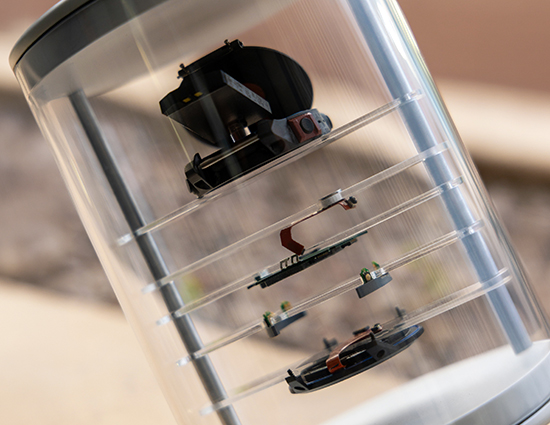
当社で働く魅力の一つは、優れた知見を持つ人が周りにたくさんいるところです。例えば、フォトニクス部門を率いるトム・ワトソンは、カメラの代わりにプログラム可能な構造化光方式を用いた先進的なアイトラッキング技術の開発を担う主要メンバーの一人です。この技術は、小型化によって設計の自由度を高めた好例であり、CESでも大きな反響を呼びました。 トムはT3誌のインタビューで、当社のフォトニック・ライトエンジンがアイトラッキングのあり方を変え、スマートグラスにおける転換点となり得ると説明しています。
このブレークスルーは思考実験から始まりました。シームレスなユーザー体験を実現するためにアイトラッキングが不可欠な利用分野がある一方で、従来技術はかさばり、消費電力も大きいという課題がありました。当社のチームは、カメラを用いずにアイトラッキングを実現する方法を根本から再発想しました。すなわち、眼鏡のデザイン性を損なうことなく、インタラクションを実現するアプローチです。
こうした進展こそが、当社の取り組みの中核です。当社が最も力を発揮できるのは、基礎原理に基づく科学とエンジニアリングを駆使し、クライアントとともに模倣が困難な前例のないコンシューマーデバイスの創出に取り組むときです。そこにこそ、真に価値のある商業的優位性があります。
この「基礎原理から、前例のない成果へ」というアプローチは、これまで以上に重要となっています。コンシューマーエレクトロニクスを牽引する技術が急速にコモディティ化しているためです。従来は大きな技術革新がブランドに競争優位の確かな基盤をもたらしていましたが、中国をはじめとする市場から類似技術が相次いで登場することで、その優位性は急速に侵食されています。漸進的な改良だけではもはや十分ではありません。
企業は競合との一定の差を維持するため、より抜本的なイノベーションを検討する必要があります。例えば Flint は、既存の電池技術を置き換える紙ベースのバッテリーシステムを世界に先駆けて開発しています。電池の使い方を変えるのではなく、その素材そのものを変えることに取り組んでいるのです。特に、支出意欲の高い消費者ほど、デバイスにおけるサステナビリティを重視する傾向があることを踏まえると、このような大胆な取り組みこそが効果的な差別化につながると考えられます。
このように当社は、漸進的な改良ではなく、革新的な飛躍を実現するソリューションへの投資を進めています。自社の成果を過度に誇るつもりはありませんが、その一例として、 修理可能なスマートウォッチのコンセプト はCES 2026においてサステナビリティ部門の「Official Best of CES Award」にノミネートされました。
この妥協のないイノベーションは、小型化と高度なエンジニアリングを組み合わせることで、外観や質感、性能を損なうことなく、修理可能で使いやすい製品が実現できることを示しています。本コンセプトは、多くのブランドが対応を迫られている欧州の「修理する権利」指令にも対応しています。
コンシューマーロボティクスの飛躍
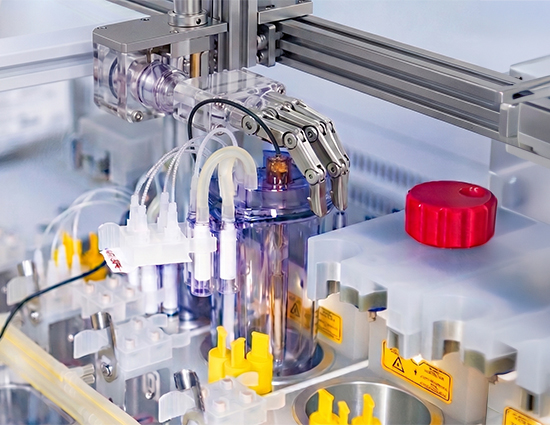
最後に、コンシューマーロボティクスについて簡単に触れておきます。この分野は当社が重点的に投資している領域の一つであり、ヒューマノイドロボティクスやフィジカルAIを、コンセプトから実社会で価値を生み出す段階へと移行させる取り組みを進めています。個人的には、現時点では産業用ロボティクスの進展と、コンシューマーロボティクスへの技術の波及には明確な関係があると見ています。
CESでは、すでに実用化され、急速に運用規模を拡大しながら大きな価値を生み出している産業用ロボティクスが強く印象に残りました(もしBoston Dynamicsが研究室でバックフリップを行うロボットの会社であるという認識のままであれば、その見方を変える必要があります)。一方で、コンシューマーロボティクスは依然として発展途上であるものの、着実に大きな飛躍を遂げつつあることがCESでも見て取れました。
従来は、事前学習による制約のある環境でのデモが中心であり、人型ロボットが複雑な動作や比較的単純な作業を実行する様子が主に示されていました。しかし今回のCESでは、家庭環境に自然に溶け込み、人があまりやりたがらない作業(洗濯物の折り畳みや荷物の運搬、軽食の配膳など)を担うことを目指したコンシューマー向け機器が数多く見られました。
一方で、業界における標準化には依然として課題が残っています。統一された運用標準や安全基準が確立されていない点がその典型です。各社が消費者への普及と利用シーンの確立を競い合う、いわば黎明期の様相を呈しています。家庭におけるリソース制約を踏まえ、ヒューマノイドロボティクスが最大の価値を発揮する領域を的確に見極めることが重要となります。
高齢者やペットのケア、清掃、調理といった家事領域は、今後もロボティクスにとって重要なフロンティアであり続けるでしょう。改めて強調したいのは、消費者に対して妥協のない価値を提供するためには、テクノロジーに対するアプローチそのものを見直す必要があるという点です。
以上が、CES後のコンシューマーイノベーションに関する私の見解です。小型化・高度化、そしてより抜本的なイノベーションを実現するテクノロジーや、消費者体験を最優先に据えるアプローチについて、皆様はどのようにお考えでしょうか。本稿で取り上げたテーマにご関心をお持ちでしたら、 ぜひお気軽にご連絡ください 。引き続き議論を深められれば幸いです。
専門家

サム・キングストン
新規技術の事業化および価値創出に注力。急速な技術変革の中で、イノベーターや企業、さまざまな組織が直面する課題に精通している。テクノロジーは人を置き換えるものではなく、人の身体の延長として機能し、暮らしの体験をより豊かにするものであるべきという信念を持つ。