長年、宇宙産業は小さな改善の積み重ねによって進化してきました。性能の漸進的な向上、フリートの着実な増強、ビジネスモデルの小規模な見直し──こうした段階的な進歩が中心でした。しかし状況は大きく変わり始めています。光通信、AI、量子セキュリティ、先端製造技術、軌道上サービスといったディープテックは、もはや将来の夢ではありません。すでに実運用に入り収益を生むようになっており、宇宙産業の経済性やアーキテクチャを本格的に塗り替えつつあります。
言い換えれば、新興のディープテックが実用技術へと確実に転換している状況であり、具体性と有用性を備え標準化された技術として、宇宙経済というチャンスを今まさにつかもうとしているのです。
ディープテックが成長を加速する触媒として果たす役割
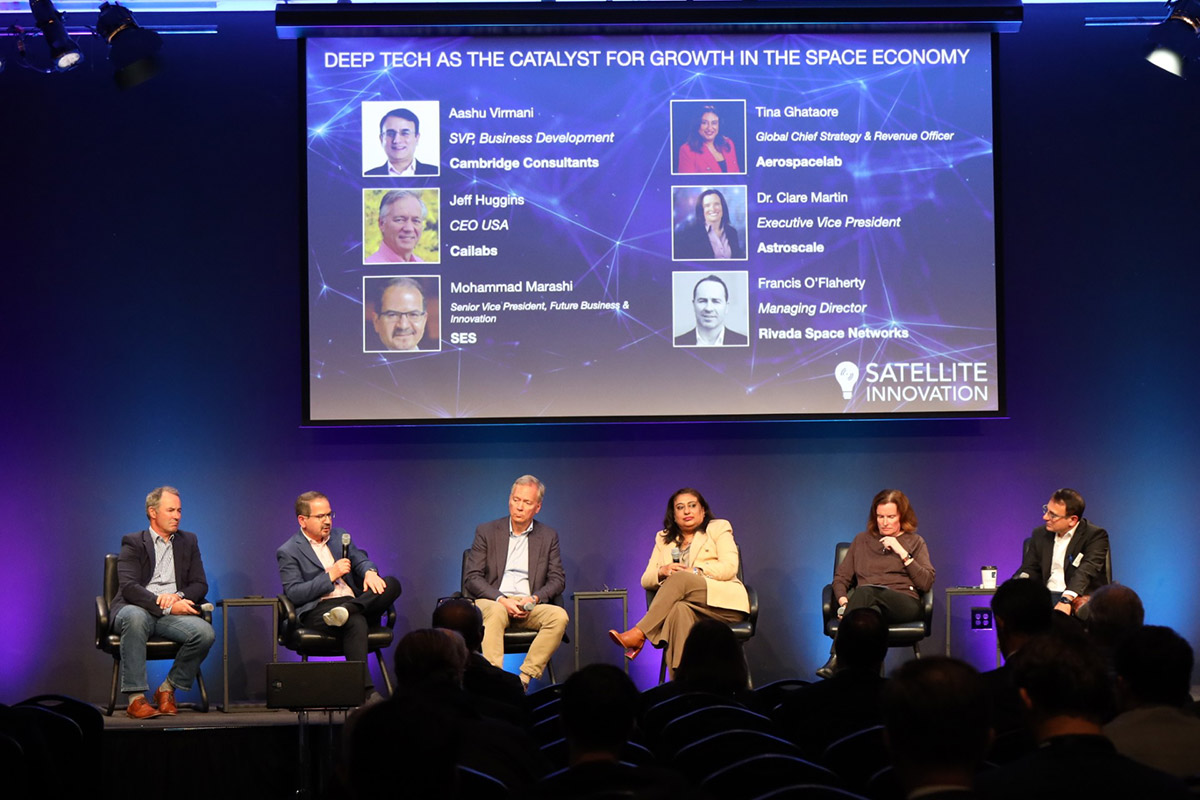
この変化の兆しは、私が登壇した Silicon Valley Space Week でもはっきりと感じられました。そこで私は、宇宙経済の成長においてディープテックがどのように触媒となるのかをテーマに、業界リーダーの皆さまを招いてパネルディスカッションを行いました。登壇者は、Rivada Space NetworksのManaging DirectorであるFrancis O’Flaherty 氏、SESのSVP Future Business and Innovation、Mohammad Marashi 氏、Cailabs USA CEOのJeff Huggins 氏、AerospacelabのGlobal Chief Strategy and Revenue Officer、Tina Ghataore 氏、AstroscaleのEVP、Dr. Clare Martin 氏です。
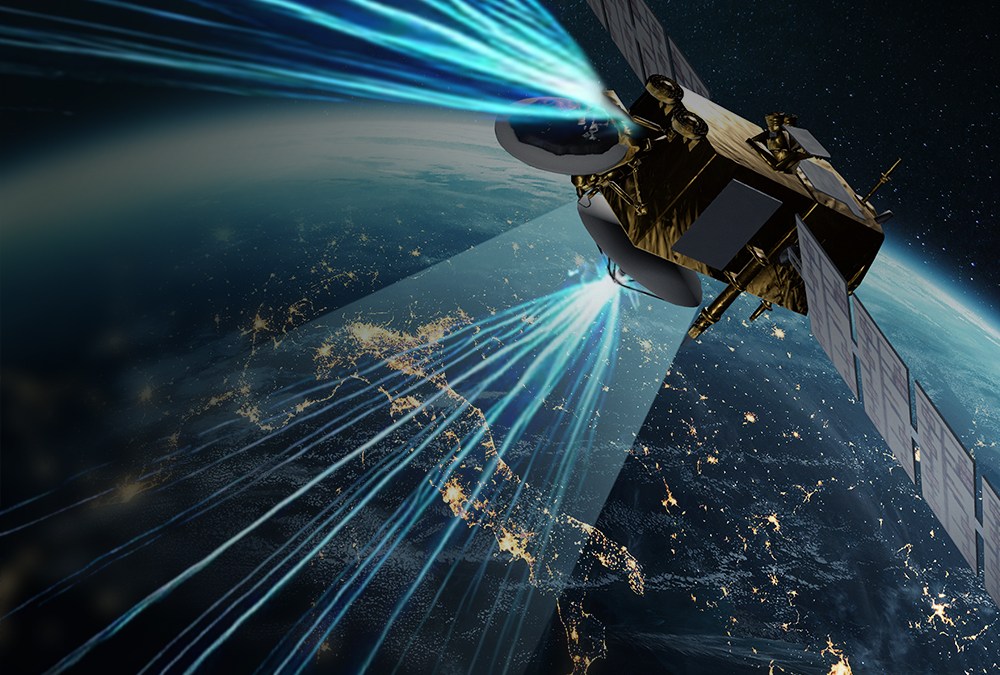
ディスカッションではまず、Huggins氏から光通信がディープテックの成長を象徴する代表例として挙げられました。期待の技術から実用へと飛躍した分野であり、20年に及ぶプロトタイプ開発を経て、アダプティブオプティクスや先進フォトニクスが運用中の通信リンクの基盤となっています。同氏は「ようやく構想段階を超えて、実用技術になったのです」と述べ、大容量の宇宙データに関わる経済性が大きく塗り替わる局面に入ったと強調しました。
同様に、SESのMarashi氏は、AIと機械学習がもはや業務効率の改善にとどまらず、動的ルーティング、輻輳制御、体感品質(QoE)の最適化といった高度な領域を担うようになり、SESのグローバルネットワーク全体に浸透していると説明しました。RivadaのO’Flaherty氏はさらに踏み込み、Rivadaのアーキテクチャでは衛星を知的ノードとして位置づけており、軌道上でのデータ処理や宇宙側でのルーティングの能力を与えていることを示しました。これには、地上の指示を待たずに衛星コンステレーションが自律的に自己最適化していくという大きな意味があります。
議論の中で繰り返し浮かび上がったのは、グローバルなインフラの中で、宇宙システムが地上インフラの補完ではなく、むしろ主要レイヤーとして機能し始めているという視点でした。O’Flaherty氏はこれを端的に「宇宙は、もはやバックアップネットワークではない」と表現しました。相互接続された光通信メッシュが軌道上で完結してデータをルーティングできる環境では、衛星は自律性を備え、超高セキュリティなグローバル接続のバックボーンへと進化しています。その結果、地上ネットワークは「基盤」ではなく宇宙側の「補助」という位置づけに変わりつつあります。このシフトは一見ささやかに見えますが、実際にはきわめて大きな影響をもたらします。私の同僚 サンドロ・グレック も、 『今後の宇宙ビジネスに向けた国際連携』の記事で、「急成長を遂げる宇宙ビジネスの中で最も魅力的な側面のひとつは、その可能性の広がりに限りがないことです」と指摘しています。
AerospacelabのGhataore氏は、この新時代を後押しする産業面の変化として、徹底した垂直統合を挙げました。同社は光通信用ペイロードから、衛星を動かす推進系(=軌道変更や姿勢制御に関わるシステム)まで、ほぼすべてを自社で製造する方針をとっており、その結果、開発サイクルが大きく短縮され、ミッション要件に直結した宇宙機設計が可能になっています。同氏の言葉を借りれば、垂直統合はコスト管理が目的ではなく、技術スタックを自社で押さえることで、現代のミッションに求められるスピードで革新を起こす戦略です。従来の「標準バスで標準ミッション」という発想は、アジャイルでペイロード主導、迅速に展開が可能なアーキテクチャへと置き換わりつつあります。
AstroscaleのMartin氏は、軌道上サービスがついに概念段階を脱したことを強調しました。燃料補給、軌道再配置、ドッキング、スペースデブリ除去といった取り組みが実ミッションとして進んでいるため、衛星はもはや使い捨てではありません。長期維持、機能拡張、アップグレードが可能なのです。こうした進化はレジリエンスを高めるだけでなく、資産評価の考え方そのものを書き換え、衛星が時間とともに価値を失うのではなく、むしろ能力を獲得していくという発想を可能にします。
さらに、長らく理論中心だった量子技術も、宇宙ベースの量子鍵配送(QKD)を通じて最初の実市場をつかみつつあります。Marashi氏は、QKDが実運用に近づいており、政府、金融機関、重要インフラに対して、地上システムでは達成できない高度なセキュリティを提供し得ると説明しました。意外なことに、ビジネス上の価値を持つ量子技術の第一号は、研究室ではなく、軌道上から誕生する見込みなのです。
ディープテック特有の「鶏か卵か」問題を越えて、市場リーダーへの道を拓く
これらの議論を総合すると、明確な姿が浮かび上がってきます。宇宙経済は、もはや従来のパラダイムを拡大する段階ではなく、新しいパラダイムへと置き換わりつつあるということです。主権ネットワークは 「スペースファースト」 を前提に構築され、光通信は衛星間リンクのためだけでなく、軌道上と地上を直接つなぐ技術として発展しています。製造面では、垂直統合されたソフトウェア駆動の工場へとシフトし、軌道上サービスは新たなロジスティクス層を形成し始めています。量子技術は理論から実装フェーズへと移り、AIは宇宙ネットワークの中核機能へ進化しつつあります。
パネルで議論が集中したのは、ディープテックに典型的な「鶏が先か卵が先か」問題でした。Martin氏は、ドッキングインターフェース標準化に課題があっても、Astroscale U.S. が顧客に軌道上サービスを提供するための別の解決策を追求することは妨げられないと強調しました。レガシー衛星の場合でも、独自のドッキング方式によるサービス提供が可能であり、実際に同社はGEOの寿命延長機で打ち上げ用アダプターリングをドッキングインターフェースとして利用する計画です。標準化インターフェースの普及については、「最終的には市場の需要が決める」と述べています。一方Huggins氏にとっての課題は、初期段階の光学技術を実際に機能するエコシステムへと育てることでした。進歩が生まれるのは、膠着状態の先にあるビジョンを見通す人々が現れたときだと指摘し、その例としてSDAが光通信で接続する衛星を数百基も展開した取り組みを紹介しました。インフラが整えば、ディープテックは 特別な最先端技術ではなく、ただの現実的なテクノロジーへと変わり、やがて標準的技術となっていきます。そして何より重要なのは、それが利益を生み始めているという点です。Huggins氏は「ビジネスとして意味を持ち始めており、非常に魅力的で巨大なポテンシャルを秘めた技術であるので、早期に採用した企業にとっては市場で欠かせない価値を生む」と述べました。
Ghataore氏は、議論を再びメーカー側の視点へと戻し、精密部品や光学ターミナル、研磨ミラーといった供給側の制約が、別の鶏と卵問題を生むと説明しました。一方で、思い切った生産能力への投資が状況を動かすとも述べています。ヨーロッパ最大級の衛星工場を建設したことはリスクではあったものの、将来の需要に応えられるだけの衛星を確保するために欠かせない判断だったといいます。「コンステレーションを打ち上げると言いながら、生産能力が足りないとは言えません」
この議論を通じて浮かび上がったのは、ディープテックではアーキテクチャ、製造能力、顧客ニーズ、市場での採用といった複数の領域に同時並行で取り組むことが、進歩の鍵になるという点です。衛星と地上インフラの両方にコミットすることで、「鶏と卵」の膠着状態は、技術が自走的に前へ進む好循環へと変わり、ディープテックは実験段階から商業的に成立する技術へと近づいていきます。そして Rivada、SES、Cailabs、Aerospacelab、Astroscale のように、ディープテックへの取り組みを最も強力に推進している企業は、この変化にただ対応するのではなく、その方向性そのものを形作る存在になりつつあります。
今後の10年で変わるのは、宇宙経済の規模だけではありません。その意味そのものが書き換わろうとしています。そしてその変革は、すでに動き始めています。その変革の当事者になりませんか?
今後の議論をご希望の方は、ぜひご連絡ください。ともに、宇宙経済での新たなポジションを切り拓いていきましょう。
専門家
アーシュ・ヴィルマニ
複雑な事象をシンプルにし、アイデアのビジネス価値を言語化することに情熱を注ぐ専門家。20年以上にわたり、事業開発、M&A、プロダクト戦略を牽引してきたエグゼクティブ。データサイエンスのバックグラウンドを持ち、通信分野で20年以上、フィンテック領域で6年間の経験を積んだプロフェッショナル。